We Use CookiesWe use cookies to enhance the security, performance,
functionality and for analytical and promotional activities. By continuing to browse this site you
are agreeing to our privacy policy
10 Best Activated Carbon Air Purifier
From leading brands and best sellers available on the web.By clicking on a link to a third party's website, log data is shared with that third party.
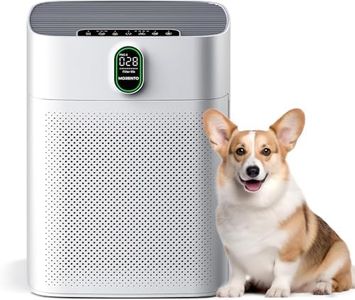

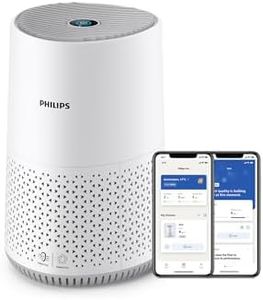
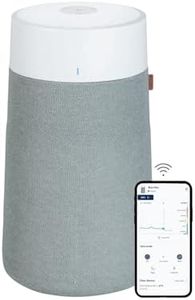
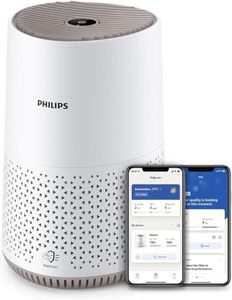
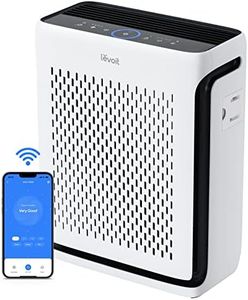
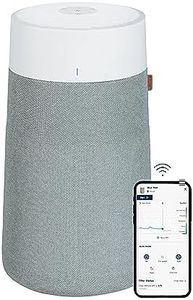
Related Products
Up to 34% off
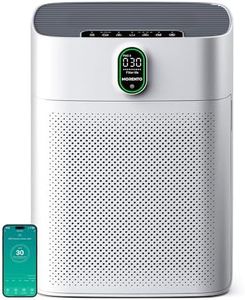
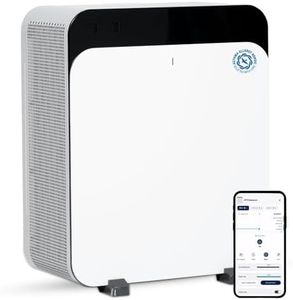
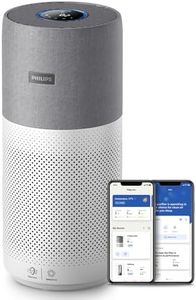
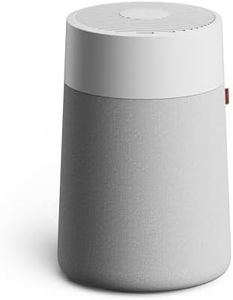
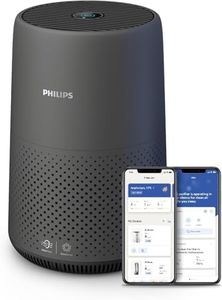
Recommended lists


Buying Guide for the Best Activated Carbon Air Purifier
Choosing the right activated carbon air purifier can significantly improve the air quality in your home or office by removing pollutants, odors, and harmful gases. To make an informed decision, it's important to understand the key specifications and how they relate to your specific needs. Here are the main factors to consider when selecting an activated carbon air purifier.Filter TypeThe filter type is crucial because it determines what kind of pollutants the air purifier can remove. Activated carbon filters are particularly effective at removing odors, gases, and volatile organic compounds (VOCs). When choosing a filter, consider what specific pollutants you need to target. If you are dealing with strong odors or chemical fumes, an activated carbon filter is a good choice. For general air purification, a combination of HEPA and activated carbon filters may be more effective.
CADR (Clean Air Delivery Rate)CADR measures the volume of filtered air delivered by the air purifier, indicating its efficiency in removing specific pollutants like smoke, pollen, and dust. Higher CADR values mean faster and more efficient air purification. For small rooms, a CADR of 100-150 is usually sufficient, while larger spaces may require a CADR of 200 or more. Choose a CADR rating based on the size of the room where you plan to use the air purifier.
Room Size CoverageThis specification tells you the maximum room size that the air purifier can effectively clean. It's important to match the air purifier's capacity with the size of your room to ensure optimal performance. For small rooms up to 150 square feet, a compact air purifier will suffice. For medium rooms up to 300 square feet, look for a mid-sized unit. For large rooms over 300 square feet, you will need a larger, more powerful air purifier.
Noise LevelNoise level is measured in decibels (dB) and indicates how loud the air purifier will be during operation. Lower noise levels are preferable for bedrooms and living areas where quiet is important. Air purifiers typically range from 20 dB (very quiet) to 60 dB (equivalent to normal conversation). If you are sensitive to noise or plan to use the air purifier in a quiet environment, look for models with noise levels below 40 dB.
Filter Replacement Frequency and CostThe frequency and cost of filter replacement can impact the long-term maintenance and operating costs of your air purifier. Activated carbon filters generally need to be replaced every 3-6 months, depending on usage and air quality. Check the manufacturer's recommendations and consider the cost of replacement filters when making your decision. If you prefer low-maintenance options, look for air purifiers with longer-lasting filters or reusable filters.
Additional FeaturesAdditional features can enhance the functionality and convenience of your air purifier. Common features include air quality sensors, auto mode, timer settings, remote control, and smart connectivity. Air quality sensors can automatically adjust the purifier's settings based on the detected air quality, while smart connectivity allows you to control the device via a smartphone app. Consider which features are important to you and how they can improve your user experience.