10 Best Energy Efficient Microwave
From leading brands and best sellers available on the web.By clicking on a link to a third party's website, log data is shared with that third party.
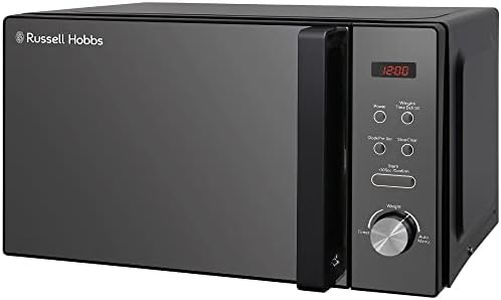
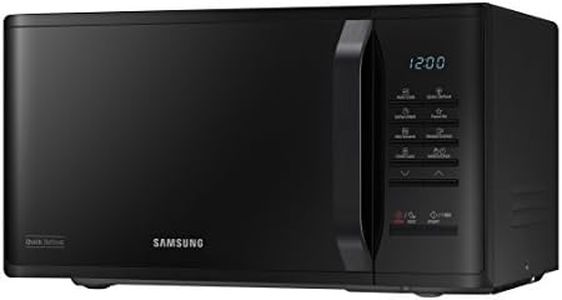
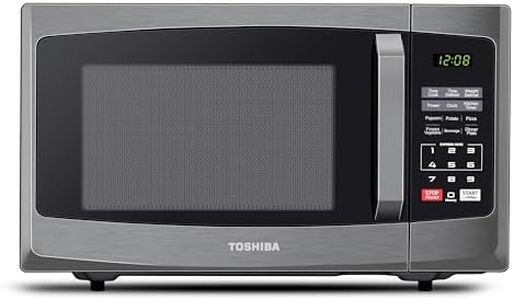
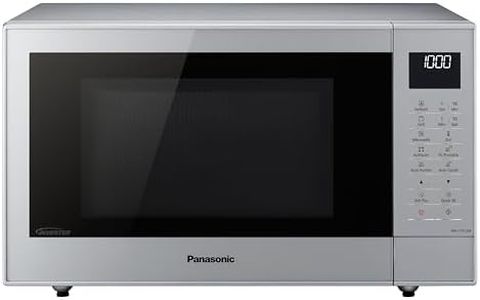
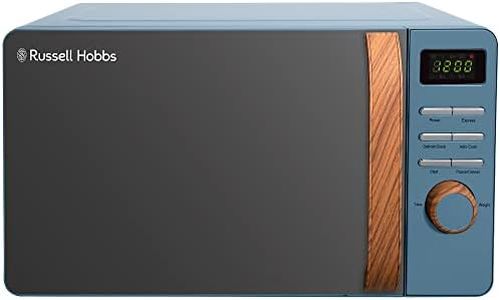
Related Products
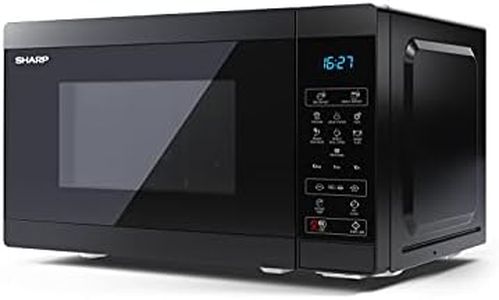
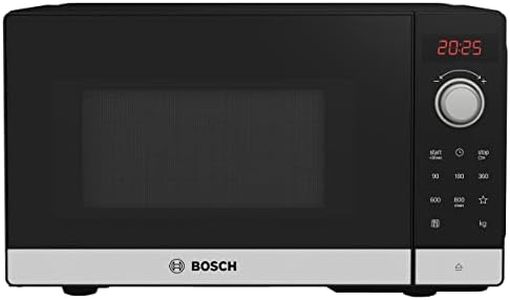

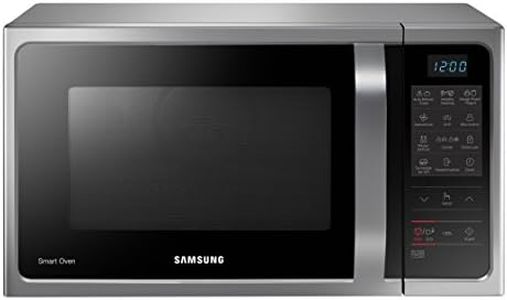
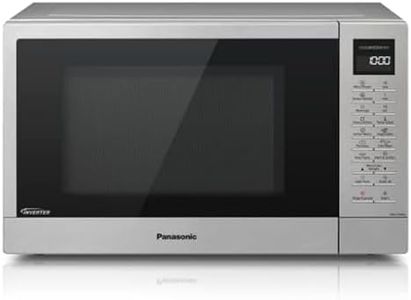
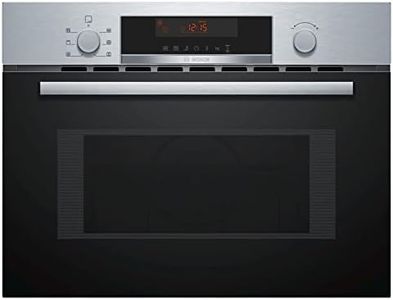
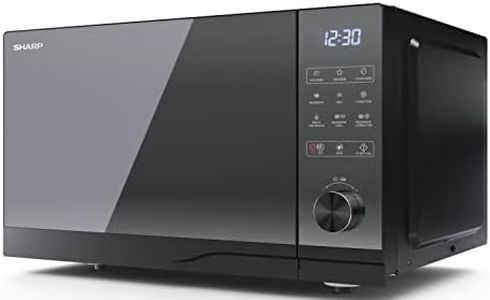
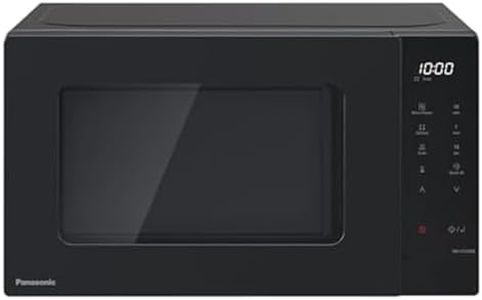
Recommended lists
Top rated
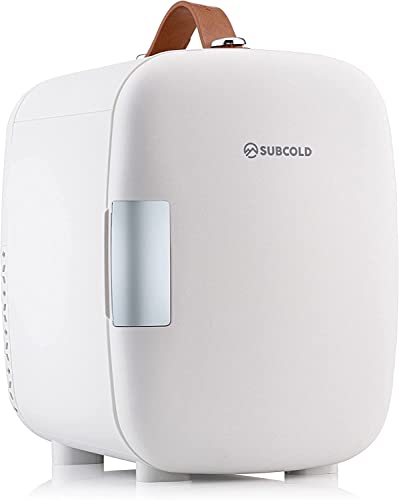
Most Energy Efficient Mini Fridge
Buying Guide for the Best Energy Efficient Microwave
When choosing an energy-efficient microwave, it's important to consider how it will fit into your daily routine and energy-saving goals. Microwaves are a staple in many kitchens, offering quick and convenient cooking options. However, they can also be a significant energy consumer. By focusing on energy efficiency, you can reduce your electricity usage and lower your utility bills. Understanding the key specifications will help you select a microwave that meets your cooking needs while being mindful of energy consumption.WattageWattage refers to the power consumption of the microwave. Higher wattage means the microwave can cook food faster, but it also uses more energy. Typically, microwaves range from 600 to 1200 watts. If you frequently cook larger meals or need faster cooking times, a higher wattage might be suitable. However, for simple reheating or defrosting, a lower wattage microwave can be more energy-efficient and sufficient for your needs.
Energy Efficiency RatingThe energy efficiency rating indicates how effectively a microwave uses electricity. Look for models with an Energy Star certification, which signifies that the appliance meets certain energy efficiency guidelines. A higher energy efficiency rating means the microwave uses less power to perform the same tasks, which is beneficial for reducing energy consumption. Consider your usage patterns; if you use the microwave frequently, a higher efficiency rating can lead to significant energy savings over time.
Size and CapacityMicrowave size and capacity are measured in cubic feet and determine how much food you can cook at once. Smaller microwaves (0.5 to 1.0 cubic feet) are generally more energy-efficient and suitable for individuals or small families. Larger models (1.5 cubic feet and above) can accommodate bigger dishes but may consume more energy. Choose a size that matches your cooking habits; if you often prepare large meals, a bigger microwave might be necessary, but for occasional use, a smaller, more efficient model could be ideal.
Inverter TechnologyInverter technology allows a microwave to cook food more evenly and efficiently by providing a consistent power level, rather than cycling on and off. This can lead to better cooking results and reduced energy consumption. If you value precise cooking and energy savings, consider a microwave with inverter technology. It's particularly useful for delicate foods that require gentle cooking, such as fish or defrosting items without cooking them.
Pre-set Cooking ProgramsPre-set cooking programs are automated settings for specific types of food, such as popcorn, pizza, or vegetables. These programs optimize cooking time and power levels, which can enhance energy efficiency by preventing overcooking. If you frequently cook certain foods, these pre-sets can save time and energy. Evaluate your cooking habits to determine if these features align with your needs and can contribute to more efficient energy use.