10 Best Portable Sandblaster
From leading brands and best sellers available on the web.By clicking on a link to a third party's website, log data is shared with that third party.
Related Products
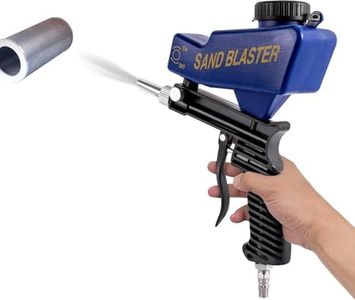
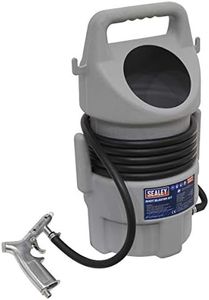
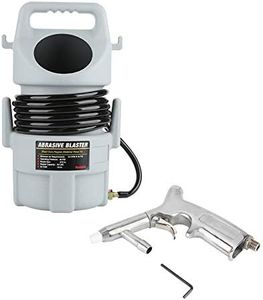
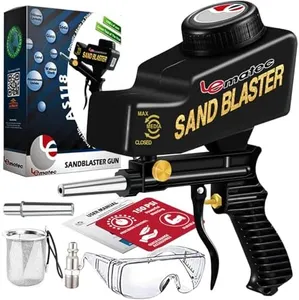
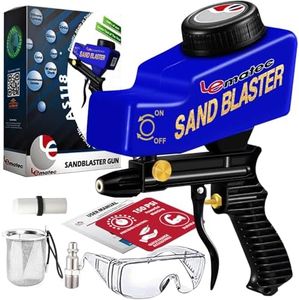
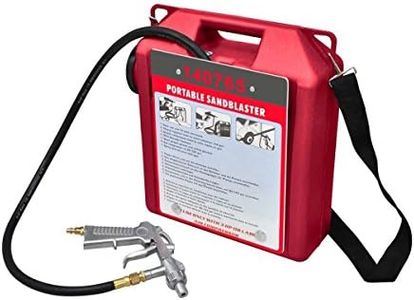
Buying Guide for the Best Portable Sandblaster
Choosing the right portable sandblaster involves understanding your specific needs and the tasks you plan to undertake. Sandblasters are versatile tools used for cleaning, smoothing, or etching surfaces by propelling abrasive materials at high speeds. The right model for you will depend on factors such as the type of projects you are working on, the materials you will be blasting, and the frequency of use. By understanding the key specifications, you can make an informed decision that ensures efficiency and effectiveness in your work.Tank CapacityTank capacity refers to the amount of abrasive material the sandblaster can hold at one time. This is important because it determines how long you can blast before needing to refill. Smaller tanks, typically under 10 pounds, are suitable for light, occasional tasks or small projects. Medium tanks, ranging from 10 to 50 pounds, are ideal for moderate use and medium-sized projects. Larger tanks, over 50 pounds, are best for heavy-duty, continuous use or large projects. Consider the scale and frequency of your projects to choose the right tank capacity.
Air Pressure RequirementAir pressure requirement indicates the amount of pressure needed from an air compressor to effectively operate the sandblaster. This is crucial because insufficient pressure can lead to inefficient blasting. Low-pressure models, requiring around 60-90 PSI, are suitable for delicate surfaces or small tasks. Medium-pressure models, needing 90-120 PSI, are versatile for general use. High-pressure models, over 120 PSI, are designed for heavy-duty tasks and tough materials. Match the air pressure requirement with your compressor's capability and the nature of your projects.
Nozzle SizeNozzle size affects the flow rate and pattern of the abrasive material. This is important for controlling the precision and speed of the blasting process. Small nozzles, typically 1/16 to 1/8 inch, are ideal for detailed work and small areas. Medium nozzles, around 1/8 to 1/4 inch, are suitable for general-purpose use. Large nozzles, over 1/4 inch, are best for covering large areas quickly. Choose a nozzle size based on the level of detail required and the size of the surfaces you will be working on.
Abrasive Material CompatibilityAbrasive material compatibility refers to the types of media the sandblaster can use, such as sand, glass beads, or walnut shells. This is important because different materials are suited to different tasks and surfaces. Lightweight abrasives like baking soda are suitable for delicate surfaces. Medium abrasives like glass beads are good for general cleaning and finishing. Heavy abrasives like aluminum oxide are used for tough surfaces and rust removal. Consider the surfaces you will be working on and the finish you desire to select the appropriate abrasive material.
Portability FeaturesPortability features include the design aspects that make the sandblaster easy to move and use in different locations. This is important for convenience and efficiency, especially if you need to transport the tool frequently. Lightweight models with handles or wheels are ideal for easy maneuverability. Compact designs are suitable for tight spaces or storage. Consider how often you will need to move the sandblaster and the environments you will be working in to determine the necessary portability features.