10 Best Single Malt Whiskey
From leading brands and best sellers available on the web.By clicking on a link to a third party's website, log data is shared with that third party.
Related Products
Up to 34% off
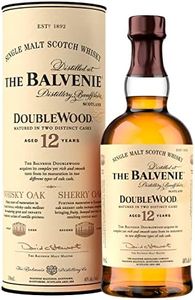
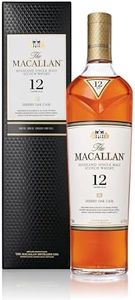
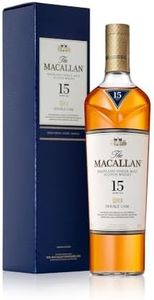
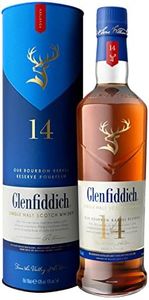
Recommended lists


Buying Guide for the Best Single Malt Whiskey
Choosing the right single malt whiskey can be a delightful yet daunting task, especially with the wide variety of options available. Single malt whiskey is known for its rich flavors and unique characteristics, which are influenced by factors such as the region of production, aging process, and ingredients used. To find the best fit for you, it's important to understand the key specifications that define a single malt whiskey and how they align with your personal preferences.AgeThe age of a single malt whiskey refers to the number of years it has been matured in oak casks. This spec is important because the aging process significantly affects the flavor profile and smoothness of the whiskey. Younger whiskeys (3-10 years) tend to have a more robust and spirited flavor, while older whiskeys (12-25+ years) are often smoother and more complex. If you prefer a bolder taste, a younger whiskey might be suitable for you. Conversely, if you enjoy a more refined and intricate flavor, an older whiskey would be a better choice.
RegionThe region where a single malt whiskey is produced plays a crucial role in its flavor profile. Scotland, for example, is divided into several whiskey-producing regions, each with its own distinct characteristics. Speyside whiskeys are known for their sweet and fruity notes, Islay whiskeys are typically smoky and peaty, Highland whiskeys offer a diverse range of flavors, and Lowland whiskeys are generally lighter and more delicate. Consider what flavor profiles you enjoy and choose a region that aligns with those preferences.
ABV (Alcohol by Volume)ABV indicates the strength of the whiskey, expressed as a percentage of alcohol content. This spec is important because it affects both the flavor intensity and the drinking experience. Standard single malt whiskeys usually have an ABV of around 40-46%, which provides a balanced flavor and smoothness. Cask strength whiskeys, with an ABV of 50% or higher, offer a more intense and concentrated flavor but can be quite potent. If you prefer a milder drinking experience, opt for a whiskey with a lower ABV. If you enjoy a stronger, more robust flavor, a higher ABV might be more to your liking.
Flavor ProfileThe flavor profile of a single malt whiskey encompasses the various taste notes and aromas that you can detect when drinking it. This spec is important because it directly influences your overall enjoyment of the whiskey. Common flavor profiles include fruity, floral, spicy, smoky, and peaty. To navigate this spec, consider what flavors you typically enjoy in other beverages or foods. If you like sweet and fruity flavors, look for whiskeys with tasting notes of apple, pear, or honey. If you prefer something more robust, a smoky or peaty whiskey might be ideal.
Cask TypeThe type of cask used for aging the whiskey can impart different flavors and characteristics to the final product. Common cask types include American oak, European oak, and sherry casks. American oak casks often give the whiskey vanilla and caramel notes, while European oak casks can add spicier and richer flavors. Sherry casks typically impart a sweet and fruity character. When choosing a single malt whiskey, consider what cask type aligns with your flavor preferences. If you enjoy sweeter and richer flavors, a whiskey aged in sherry casks might be a good fit. For a more traditional taste, American or European oak casks could be preferable.